The most common reasons websites fail to attract traffic: (1) no pre-rendering, making pages invisible to search engines, (2) missing or incorrect structured data, (3) Lighthouse scores below 50 causing Google ranking penalties, (4) no sitemap submitted to Search Console, and (5) thin content without unique value. Most of these are architecture problems, not design problems.
Key Takeaways
- Traffic problems are usually architecture problems disguised as design problems. A beautiful website with empty HTML source gets zero organic traffic.
- The top five traffic killers: no pre-rendering, missing structured data, poor Lighthouse scores, no sitemap, and thin/duplicate content.
- Quick diagnosis: View Page Source — if content is missing, you have a rendering problem. Run Lighthouse — if scores are below 60, you have a performance problem.
- Most traffic fixes are technical, not visual. Redesigning your homepage will not help if Google cannot read your content.
1. How to Diagnose Traffic Problems
Few experiences are more demoralizing for a business owner than investing lakhs in a new website only to watch traffic flatline near zero months after launch. When a website fails to attract visitors, business owners often blame their social media marketing or demand expensive ad campaigns. In reality, over 80% of traffic failures stem from structural flaws in website architecture, indexability, and Core Web Vitals.
Before spending another rupee on advertising, diagnose your site using objective instrumentation: Google Search Console (GSC) for crawl status, Google Lighthouse for performance bottlenecks, and server access logs to check bot ingress.
2. Architecture Problems (Highest Impact)
Architectural errors are catastrophic because they prevent search engines from discovering your pages in the first place:
- The Client-Side Rendering (CSR) Trap: Building on React or Vue without pre-rendering or SSR. Search engine crawlers see a blank page (`<div id="root"></div>`) and abandon indexing.
- Broken URL Structure & Missing Canonicals: Inconsistent URL casing, trailing slash discrepancies, or duplicate URLs without canonical tags divide your domain authority across competing copies.
- Orphaned Pages: Critical service pages that are not linked from the main navigation, footer, or XML sitemap cannot be crawled by Googlebot.
- Misconfigured robots.txt: Accidental `Disallow: /` directives deployed during staging that were never removed prior to production launch.
3. SEO Problems
Beyond crawlability, pages often fail to rank because they lack structural relevance signals:
- Missing or Generic Title Tags: Having pages titled "Home" or "Services" instead of high-intent keywords (e.g., "AI Agent Development Studio | Krinok").
- Absent Structured Data (JSON-LD): Failing to provide machine-readable Schema.org entities, causing search engines to miss local service categories and FAQ rich snippets.
- Keyword Cannibalization: Multiple internal pages targeting the exact same keyword intent, forcing search engines to guess which page to rank and ultimately suppressing both.
4. Performance Problems
Google uses Core Web Vitals as an explicit mobile ranking factor. If your site takes longer than 2.5 seconds to load, search engines demote your rank and over 53% of mobile visitors bounce before seeing your hero section. Culprits include unoptimized 5MB hero images, uncompressed fonts, and bloated third-party analytics scripts.
5. Content Problems
Google's Helpful Content System aggressively penalizes "thin content"—pages under 300 words that summarize generic definitions without original data, real case studies, or actionable advice. If your content looks like an automated regurgitation of Wikipedia, it will not rank.
6. Fix Priority Matrix
Address your website's traffic issues systematically according to this impact-versus-effort matrix:
| Issue Category | Action Item | Effort Required | Traffic Impact |
|---|---|---|---|
| Indexability & Crawling | Implement pre-rendering, fix robots.txt, submit clean sitemap.xml | Low (1 - 2 Days) | Critical (Enables Indexing) |
| Core Web Vitals | Convert images to WebP, eliminate render-blocking CSS, preconnect fonts | Medium (3 - 5 Days) | High (Boosts Mobile Rank) |
| Metadata & Schema | Add unique Title/Meta tags and JSON-LD schema to all key pages | Low (1 - 2 Days) | High (Improves CTR) |
| Content Enrichment | Rewrite thin pages with tables, case studies, and authoritative insights | Medium (1 - 2 Weeks) | Sustained Organic Growth |
Frequently Asked Questions
Direct, technical answers to common queries
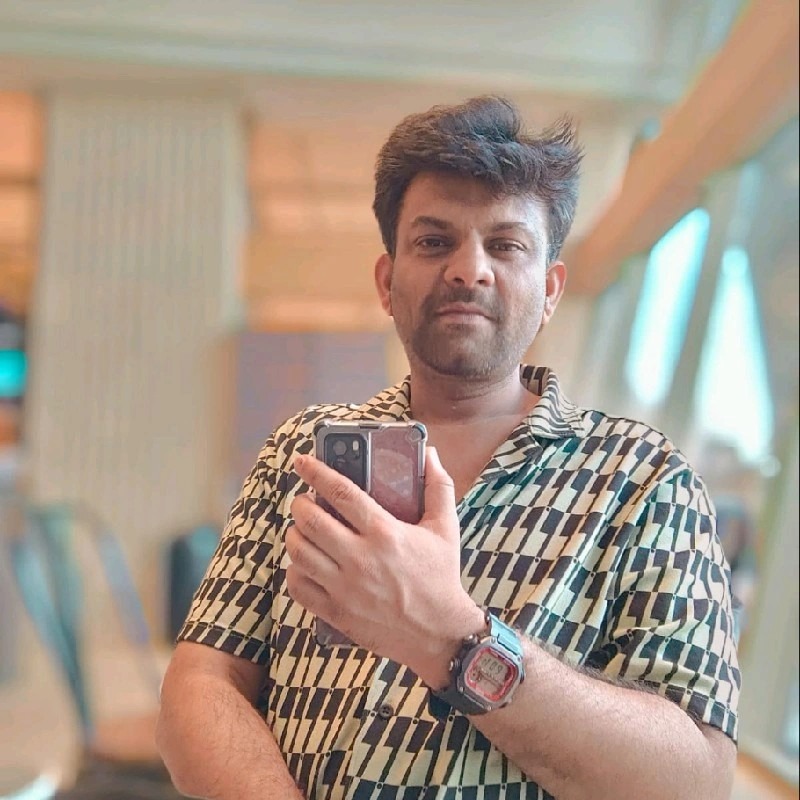
Ravii Saxena
Founder & Head of AI Engineering, Krinok
Ravii leads AI architecture and agentic engineering at Krinok. He has architected multi-agent platforms, autonomous voice bots, and high-scale RAG pipelines for startups and enterprise leaders globally.
Ready to Architect Your Enterprise AI Agent?
From initial proof-of-concept to production multi-agent systems with guardrails, Krinok helps ambitious founders and CTOs ship in weeks.
![How to Choose the Best Web Development Company for Your Business [Checklist]](https://images.unsplash.com/photo-1552581234-26160f608093?w=1200&h=630&fit=crop)